



Rubber Roll Flooring
Product Introduction
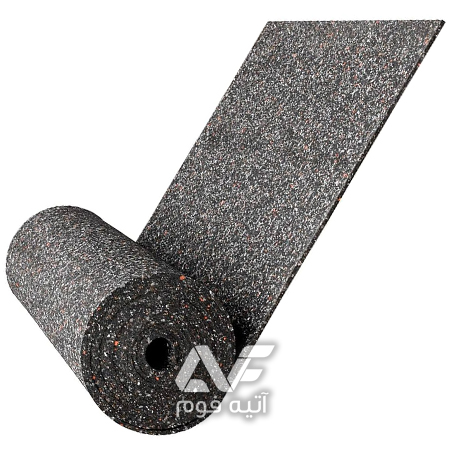
Rubber Granulated Roll Flooring is one of the latest types of rubber flooring, made from a combination of rubber and EPDM with colored granules. This flooring is a practical and multi-purpose option, available in various thicknesses and colors, making it especially suitable for sports and public spaces. With its durability, aesthetic appeal, easy installation, and effective insulation, granulated roll flooring has become one of the most popular choices for designing both indoor and outdoor spaces.
Benefits
- نصب سریع و آسان
- ضد سایش و لغزش
- قابلیت شستشو
- عایق رطوبتی و صوتی
- تنوع رنگ و ضخامت
Description
Rolled Rubber Flooring: A Versatile and Popular Choice
Rolled rubber flooring is one of the most popular and practical types of flooring in today’s world. Due to its numerous advantages, it is widely used in various industries, including sports, industrial, commercial, and residential settings. Produced in roll form, this flooring can be easily cut and installed in desired dimensions. Made from natural or synthetic rubber, its dense and seamless structure provides high resistance to wear, impact, and pressure. Additionally, rolled rubber flooring acts as a sound and vibration insulator, preventing noise and vibration transmission to lower floors. This article will explore the features, types, and applications of rolled rubber flooring in greater detail.
Advantages of Rolled Rubber Flooring
The high resistance of rolled rubber flooring against wear, impact, and pressure significantly increases its lifespan. Its flexible rubber structure absorbs shocks and reduces joint injuries, making it highly valuable in sports and industrial environments. Additionally, these floors serve as excellent sound and vibration insulators, preventing noise transfer to lower levels. The surface of these floors is designed to minimize slipperiness, ensuring safety in various environments. Their resistance to moisture, chemicals, and oils makes them ideal for industrial and laboratory use. With a variety of colors and designs available, they can be coordinated with any interior decor. The quick and easy installation further adds to their popularity. Overall, rolled rubber flooring, due to its durability, environmental resistance, safety, aesthetics, and ease of installation, is an excellent flooring option for various settings, including homes, offices, sports centers, workshops, and more.
Granulated Rolled Rubber Flooring
Granulated rolled rubber flooring is produced through a high-pressure pressing and industrial curing process, combining ABR rubber, EPDM, and polymer adhesives. These features contribute to its durability and aesthetic appeal, making it ideal for gyms, offices, multi-purpose halls, and hospitals. Available in various thicknesses (from 2mm to 20mm) and widths (from 50cm to 1m), this flooring includes attractive colored granules. It is widely used as insulation for floors and walls, subflooring for sports halls, and children’s play areas.
Applications of Granulated Rolled Rubber Flooring
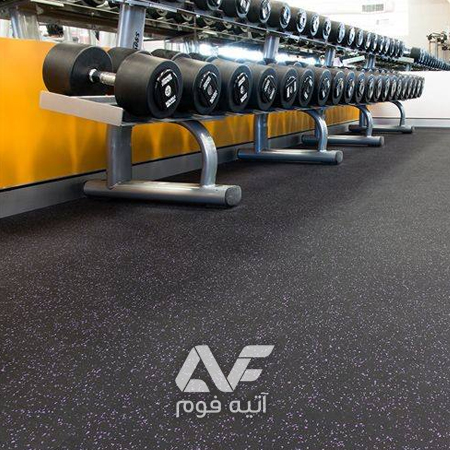
- Gym and fitness centers
- Exhibition and commercial centers
- Offices and hospitals
- Children’s play area subflooring
- Multi-purpose sports halls
- Stables and livestock transport containers
Pricing of Granulated Rolled Rubber Flooring
The price of this flooring varies based on thickness and color. The base price is calculated per square meter with a 1mm thickness, with additional costs for increased thickness. Manufactured in Iran with high quality and according to international standards, its pricing is competitive compared to foreign alternatives.
Types of Rolled Rubber Flooring
1. Granulated Rubber Flooring:
This type consists of colorful rubber granules, offering durability and aesthetic appeal. It is widely used in workshops, parking lots, and playgrounds due to its high resistance to wear, impact, and slip. Its soundproofing properties make it an ideal choice for gyms and sports facilities.
2. Seamless Rubber Flooring:
Seamless rubber flooring provides a uniform, joint-free surface, making it ideal for hygienic environments such as hospitals, clinics, laboratories, and food industries. Its moisture and chemical resistance, along with antibacterial properties, ensure high hygiene standards.
3. Coated Rubber Flooring:
This flooring features an additional layer of PVC or polyurethane coating, enhancing its resistance to wear, scratches, and stains. Its aesthetic appeal makes it suitable for commercial, office, and residential spaces.
4. Sports Rubber Flooring:
Designed for athletic activities, this flooring absorbs shock and reduces joint stress. It is highly durable, slip-resistant, and used in sports halls, playgrounds, and running tracks.
5. Industrial Rubber Flooring:
Made from high-resistance industrial rubber, this flooring withstands extreme wear, impact, and chemicals. It also provides thermal and electrical insulation, making it ideal for factories, warehouses, and industrial workshops.
Comparison with Other Flooring Types
Rolled rubber flooring surpasses other flooring options due to its seamless structure, high durability, and sound insulation properties. Unlike wooden or ceramic flooring, which are vulnerable to moisture and chemicals, rubber flooring is highly resistant and easy to clean. Compared to carpets, it is hypoallergenic and prevents bacterial growth. Its easy installation, design variety, and long lifespan make it a superior choice, although it may be more expensive than some alternatives.
Installation Methods for Rolled Rubber Flooring
Due to its weight and thickness, installing rolled rubber flooring requires precision. There are two main installation methods: adhesive bonding and double-sided tape. In adhesive bonding, the surface is cleaned and dried before applying special rubber glue for a strong bond. This method is preferred for permanent installations. The double-sided tape method is used for temporary installations, allowing for easy removal and replacement. In some cases, mechanical fastening with screws and anchors is used.
Maintenance and Repair
Maintaining rolled rubber flooring is simple. Daily cleaning with a vacuum or mop is sufficient, while stubborn stains can be removed with mild soapy water. Harsh chemicals should be avoided to prevent surface damage. Minor scratches or tears can be repaired with special rubber adhesives. To prevent color fading, direct sunlight exposure should be minimized. With proper care, rubber flooring maintains its aesthetic and functional properties for years.
Conclusion
Rolled rubber flooring, with its superior resistance to wear, impact, and moisture, excellent soundproofing, and high safety standards, is an ideal flooring solution for various settings. Available in different styles, including granulated, seamless, and sports flooring, it is easy to install and maintain. Besides its functionality, the variety of designs and colors enhances the aesthetic appeal of any space. Its durability and resistance to environmental factors make it a preferred choice for high-traffic areas such as homes, offices, gyms, and workshops.


